Have you ever discovered an unwanted visitor in your backyard? It may have even been able to slip right into your house. We are talking wild animals of course, squirrels, snakes, raccoons, skunks – there are quite a few species of small creatures lurking about. This is due to the human population expanding homes into what used to be habitats for wild animals. What was once theirs is now ours, and we tend to not be very sharing of our space. Never fear, there is a humane solution to unwanted wildlife guests that makes everyone happy and safe.
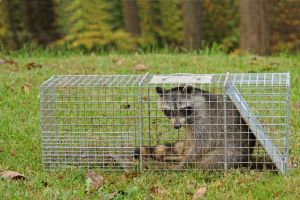
Humane animal removal is the best thing for both house owners and uninvited wildlife visitors. The animal is captured alive by professional animal removers. They only use humane traps, cages like cat cages, and transport to insure the safety of both them and the wild animal. The animal is then taken to a habitat that it would normally be living in far away from people where it is released back into the wild. It’s that simple- catch, move, and release.
What if there is more than one? For some wild animals, a human home seems like the best possible place to start a family. It provides shelter, warmth, and easy access to food usually in the form of your garbage. In a case such as this, extra care is taken to insure that the babies are kept with the mother during the entire removal process.
Is it safe to just let the wild animals stay? Some wild animals are okay to leave residing in your yard, such as squirrels and rabbits. The number one safety concern that must be addressed is whether or not you have small children and how close they will ever be to the animal. Even teenagers can get hurt by intentionally provoking wild animals. The second safety concern is whether or not the wild animal has offspring. Most wild animals are naturally afraid of humans unless they are being fed by humans or protecting their young.
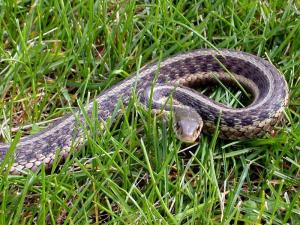
Wild animals usually become more aggressive in defending their territory to keep everyone away from their babies. Letting them stay can be dangerous, as humans cannot see where the invisible boundaries that the wild animal has put up for its protection are. This can lead to an attack, which will result in you having to get rabies vaccinations and the animal being put down. Even if the animal does not have rabies, it cannot be for certain until after the animal is euthanized.
All of this can be prevented by hiring a humane animal removal service. If a wild animal, such as a squirrel, finds its way into the house then it needs to be removed. Chasing it out of the house is only a temporary solution, as it will return the same way it came in the first time. Squirrels, raccoons, and bats are some of the top wild animals that enjoy living in our houses. They can cause major damage to roof interiors, wiring, and just about everything else they come into contact with. Fecal matter can also cause serious health issues with all of the human residence in the house. Humane animal removers will help locate and seal off points of entry to prevent any future break-ins. They will also relocate the animals to more suitable homes for them in the wild.
Bees?
Bees are an important part of our ecosystem and play a vital role in pollination, which is necessary for the growth of crops and plants. They also produce honey and beeswax, which have a variety of uses in our daily lives. However, when bees start to create their nests in and around our homes, they can become a problem. This is where bee removal services come in. Professional bee removal services can safely and humanely remove bees from your property without harming them or causing damage to your home.
One of the most common types of bees that can cause damage to your home are carpenter bees. These bees bore holes into wooden structures, including the siding, eaves, and decks of your home. Over time, this can weaken the wood and cause structural damage. Bee traps by BeesNThings can be an effective way to control carpenter bees by attracting and capturing them before they have a chance to cause significant damage. These traps use natural attractants, such as pheromones and food, to lure the bees into the trap, where they can be safely and humanely removed.
It’s important to remember that not all bees are harmful to your home and property. In fact, many species of bees are beneficial and play a critical role in the pollination of plants and crops. If you’re 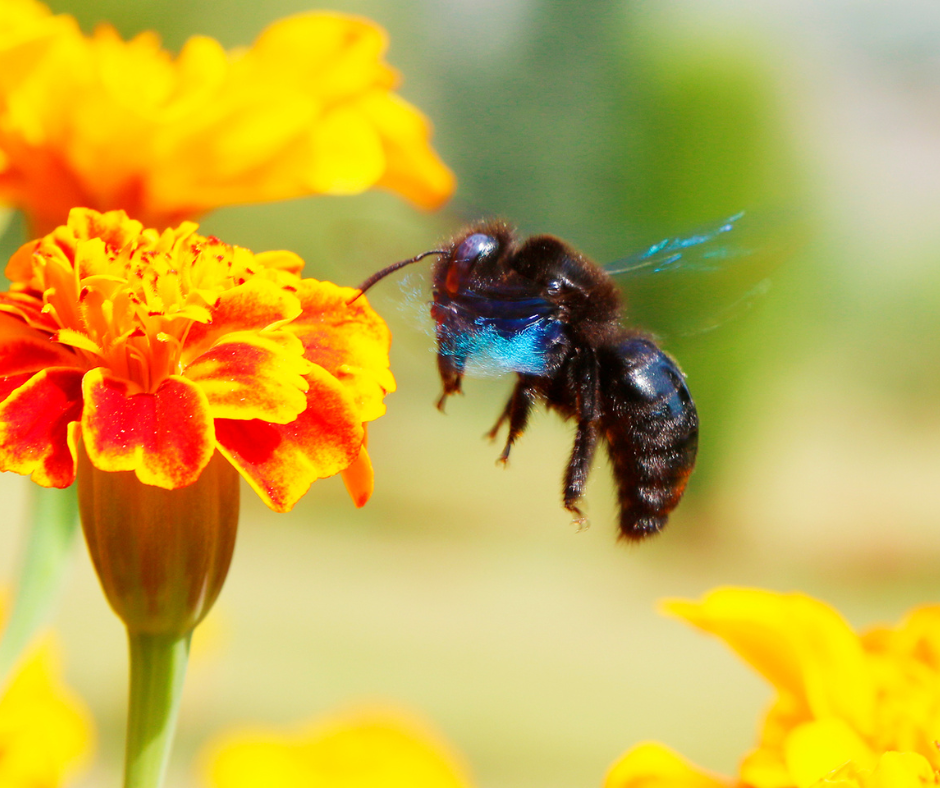 unsure about the type of bee on your property, it’s best to contact a professional bee removal service to identify and handle the situation. They can safely remove the bees and relocate them to a more suitable habitat, ensuring the continued health and survival of these important pollinators.
In summary, bees are an important part of our ecosystem and play a vital role in pollination and the production of honey and beeswax. While many species of bees are harmless, carpenter bees can cause significant damage to wooden structures over time. Bee removal services and traps can be used to safely and humanely remove bees from your property and control carpenter bee infestations. If you have a bee problem, it’s important to contact a professional bee removal service to handle the situation and ensure the continued health and survival of these important pollinators.